
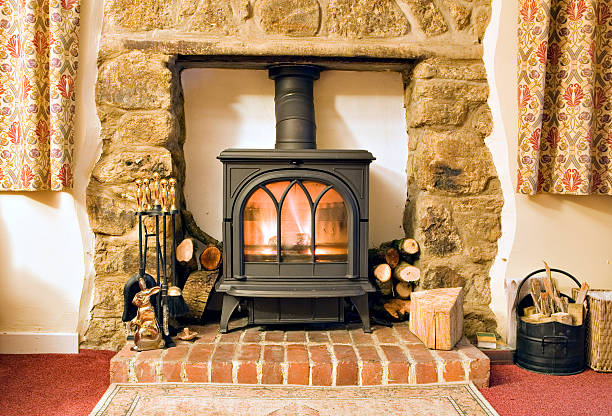
Fire prevention is generally linked to warning devices, extinguishers, and exit routes; however, fire prevention starts from the inside out by focusing on systems that people do not give much thought to. From an uncared-for chimney, faulty electrical wiring, clogged ventilation route, or undetected structural problem, these can become significant threats without anyone’s notice. This is precisely why the Fireplace Chimney Inspection services have gained importance for both private homes and businesses.
7 Fire Safety Checks Every Property Should Prioritize
Small overlooked issues inside a building can quickly become major fire risks when regular inspections and maintenance are ignored.
1. Comprehensive Property Inspection Is Necessary To Spot Concealed Hazards
One of the most reliable ways to guarantee fire safety is comprehensive property inspections by persons with an understanding of home inspection services in Chicago. This inspection process will enable the identification of some hidden risks associated with electrical faults, overheating, inadequate ventilation spaces, poor building elements, and fire dangers that may occur in the future. Many times, such hazards cannot be seen immediately. It is easy to overlook the danger of electrical hazards inside the walls, water damage to machines, and heating faults, among other fire hazards.
2. Fireplaces Need Continuous Monitoring
Fireplaces are common places for domestic use because they provide a cozy atmosphere to relax. However, they are potential fire hazards due to the failure of the chimney system. Many years down the line, the buildup of soot, ash, and creosote results in the accumulation of a highly flammable surface inside the flue. Another problem arises when there are cracks on the liners, leading to poor ventilation and the leakage of smoke and heat from the chimney to the surrounding building.
3. Electrical System Evaluation
Electrical faults are common causes of house fires in residential buildings as well as commercial spaces. Overloaded circuits, damaged or worn-out wiring, improperly wired panels, and faulty wiring may be some of the hazards present in any building, but they are only identified through proper evaluations. Evaluations help to determine if there are any overheated equipment, damaged outlets, and other improper installations that are likely to cause fire disasters. Proper assessments are necessary in places like business premises where energy use is high and operation should not be disrupted.
4. Heating and HVAC System Evaluations
Heating and HVAC systems continuously operate during cold months. This makes them essential areas to consider during fire protection because there are many ways that may put pressure on these devices. Factors like clogged filters, low airflow, overheating motors, and poor maintenance practices may affect the performance of these units. Maintenance helps keep the heat equipment running safely. Proper ventilation reduces air movement inside a building and thus limits smoke spread. It is critical to consider HVAC system evaluation since they operate in various areas of a building at once.
5. Emergency Exits and Escape Routes Must Be Left Unobstructed
Heating and HVAC equipment are always operational throughout the cold months. Thus, they are some of the places which become very crucial concerning fire safety. Issues such as filter blockages, poor air circulation, overheated motors, and poor maintenance could subject the equipment to extra pressure, causing malfunctioning. Proper maintenance of the equipment guarantees their smooth operation without any risks of accidents. Clean ventilation systems will also help to minimize air movement and smoke distribution inside. Proper maintenance of HVAC systems becomes critical because of their operation throughout various parts of the building simultaneously.
6. Smoke Detection and Fire Alarms Should Be Tested Regularly
Although alarm systems are among the commonest early signs of fire, they might not be effective unless they function properly. The issues which may result in failure of the alarm systems include dead batteries, outdated devices, malfunctioned devices, or disconnected alarms. Regular testing will guarantee alarms’ proper functioning and provide warning to all people in the building in time. Modern alarms come with additional features like carbon monoxide detectors as well as interlocked alarms for increased safety.
7. Fire Safety Maintenance Is Regarded as a Continuous Process
Generally, fire safety maintenance is regarded by many property managers as an effort that has to be undertaken just once without the need to be repetitive. In fact, every building will change over time due to various reasons such as deterioration, increased usage, and other similar causes. Consequently, the overall condition of the building might become worse compared to its initial conditions. The inspection and assessment of the fire safety features of the building would ensure a preventive strategy that could solve problems concerning the building’s defects. The ongoing fire safety assessment and maintenance practices will not only provide a healthy environment but will also reduce future maintenance expenses.
Conclusion
Fire safety cannot be taken into consideration only after the identification of a fire hazard. Inspection and maintenance efforts would be able to prevent any sort of fire hazard regardless of what type of building it is.
